
Services Offered
Veterinary Physiotherapy
What to expect:
Full History: At the start of any physiotherapy session a mixture of questions will be asked to gain an insight into your animals everyday life style, any concerns you have, your goals and what you want to achieve with your horse.
Static Assessment: Following on from the subjective assessment a static and dynamic assessment will take place looking at posture, balance, symmetry, how your horse is moving on the day and any behaviour changes.
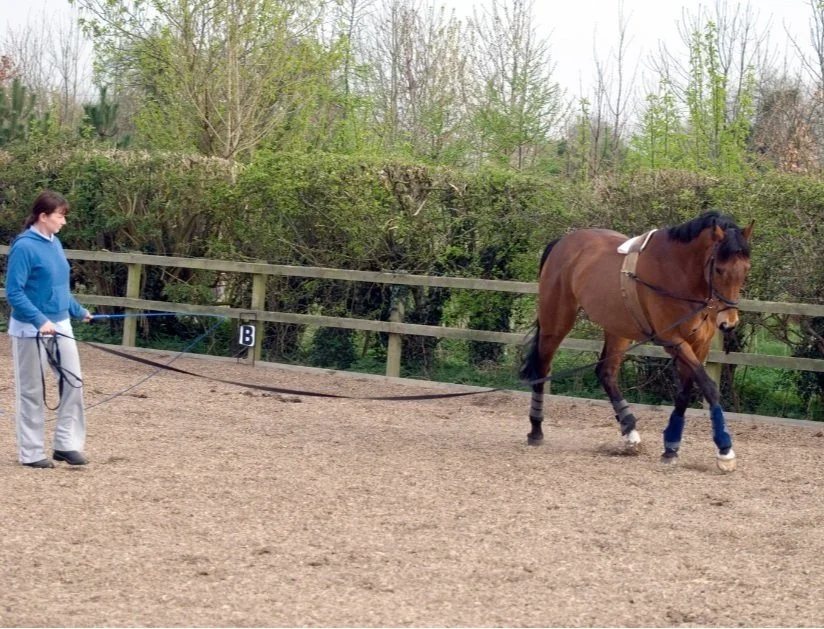
Dynamic Assessment
Palpation Assessment: A thorough examination of your horses body will take place including palpation of muscles, tendons and ligaments looking for areas of pain, tension, heat or swelling as well as assessing joint range of motion and going through any appropriate orthopaedic assessments.
Joint Range Of Motion
Use of Electrotherapies (Hofmag and/or Class 4 Laser)
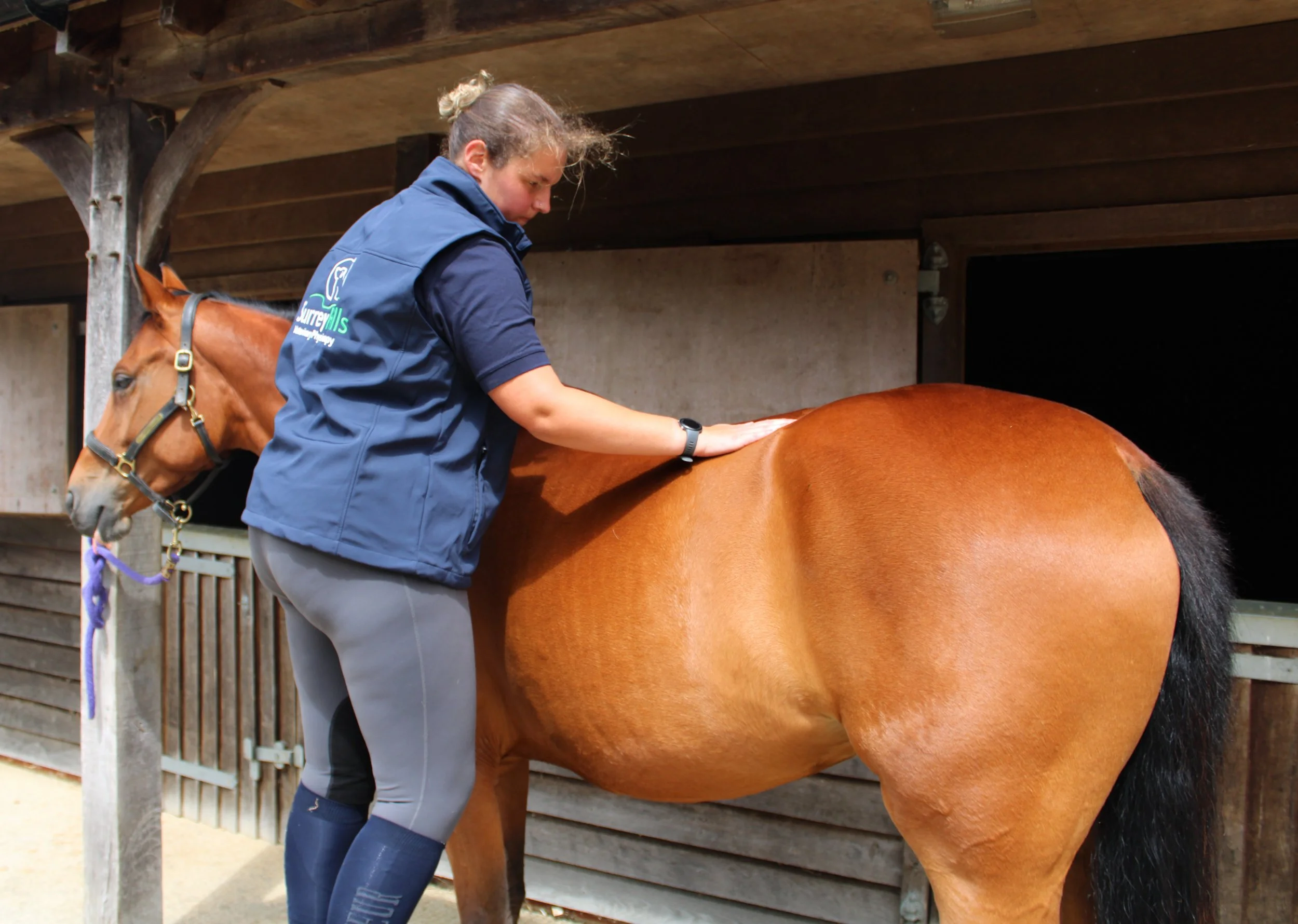
Manual Therapies (Massage and Stretching): The physiotherapist may use hands-on methods such as joint mobilisations, soft tissue massage, and stretching exercises to alleviate pain, increase circulation, and improve range of motion.
Remedial Exercises: The physiotherapist will provide you with information about your horse condition and expected outcomes. Advice on at-home care and modifications to daily activities to support your horses recovery or daily lifestyle.
Session Report
Follow-up: Lastly, the physiotherapist may schedule follow-up appointments to monitor progress and adjust the treatment plan as needed. Consistency is key for optimal results.
treatment plan: Based on the assessment, a tailored treatment plan will be created. This plan may encompass various physiotherapy techniques, including manual therapy, therapeutic exercises, and modalities such as ultrasound or laser therapy.
Session Length: approx. 1.5hrs
All sessions begin with a thorough discussion of clinical history followed by a static, dynamic (walk/trot up and may include lunging and ridden assessment), palpation and range of motion joint assessment.
Each of these elements provide information that forms the foundation of the treatment plan and therapies applied. Reassessment is always performed at the beginning of each session to monitor any changes.
Hofmag therapy as a standalone treatment
What to expect:
Full History
Static Assessment
Dynamic Assessment
Palpation Assessment
Hofmag Therapy (approx. 45 mins of treatment time)
Session Report
Session Length: Approx. 1hr
Hofmag is a Pulsed Electro-Magnetic Field Therapy (PEMFT) unit.
What does it do?
“Using short, high intensity pulsed magnetic waves, PEMFT is known to assist with injured tissues and stimulate natural self-healing mechanisms at a cellular level. Research has shown that PEMF improves blood flow and muscle oxygenation, helps prevent injury and speeds up recovery, leading to an all-important optimisation in performance”.
What are the benefits?
Reduced pain & inflammation
Accelerated healing
Enhanced performance
Increased range of motion
Reduced muscle loss after surgery
Hofmag Therapy
Assessment Only
What to expect:
Full History
Static & Dynamic Assessment: Looking at conformation, posture, balance, symmetry and how the horse is moving
Palpation: Thorough palpation of the body and limbs looking for areas of pain, tension, heat or swelling
Joint Range Of Motion: Assessing joint ROM of limbs and spinal etc
Discussion on next steps: Based on the assessment, next steps will be discussed with the client. This may be a treatment plan for vet physio or a referral to the vets for further investigation
Full Report: All findings and discussions will be sent to the client, and the vet if required
Session Length: Approx. 1hr
All sessions begin with a thorough discussion of clinical history followed by a static, dynamic (walk/trot up and may include lunging and ridden assessment), palpation and range of motion joint assessment.
Each of these elements provide information that forms the foundation of the treatment plan and therapies applied. Reassessment is always performed at the beginning of each session to monitor any changes.
Rehabilitation/Exercise Plans
Detailed rehabilitation plans can be formulated for animals recovering from injury or surgery, and training plans can be formulated for animals with an increased workload, or for owners bringing their horses back into work.
You will receive a customised exercise programme designed to strengthen specific muscle groups, improve coordination, and enhance overall fitness.
Assessment
All sessions begin with a thorough discussion of clinical history followed by a static, dynamic (walk/trot up and may include lunging and ridden assessment), palpation and range of motion joint assessment.
Each of these elements provide information that forms the foundation of the treatment plan and therapies applied. Reassessment is always performed at the beginning of each session to monitor any changes.
Manual Therapies
Manual therapies including massage and stretching will always be the primary treatment choice, and will be complemented by electrotherapies where necessary.
Massage helps:
Increase blood and lymph flow to the area, decreasing toxins and increasing oxygen and nutrients to promote optimal cell function
Release endorphins which promote relaxation
Decrease tension, relaxing muscles and providing pain relief
Enable the animal to move more freely by releasing muscular restrictions and improving joint range of motion
Improve muscle mass and strength
Stretching helps:
Increase muscle extensibility, flexibility and joint range of motion
Reduce muscle tension
Reduce post-exercise muscle soreness (DOMS)
Reduce the risk of future injury
Hofmag is a Pulsed Electro-Magnetic Field Therapy (PEMFT) unit.
What does it do?
“Using short, high intensity pulsed magnetic waves, PEMFT is known to assist with injured tissues and stimulate natural self-healing mechanisms at a cellular level. Research has shown that PEMF improves blood flow and muscle oxygenation, helps prevent injury and speeds up recovery, leading to an all-important optimisation in performance”.
What are the benefits?
Reduced pain & inflammation
Accelerated healing
Enhanced performance
Increased range of motion
Reduced muscle loss after surgery
Hofmag Therapy


Electrotherapies are used to complement manual therapies and are chosen based upon the findings of the assessment. Electrotherapies available:
Heat therapy - reduces muscle tension through a pain-relieving effect. This can be used for both horses and dogs on painful and sensitive areas.
Transcutaneous Electrical Nerve Stimulation (TENS) - provides pain relief and reduces muscle tension/spasms. This is only used in horses as it is not tolerated by dogs.
Electrotherapies
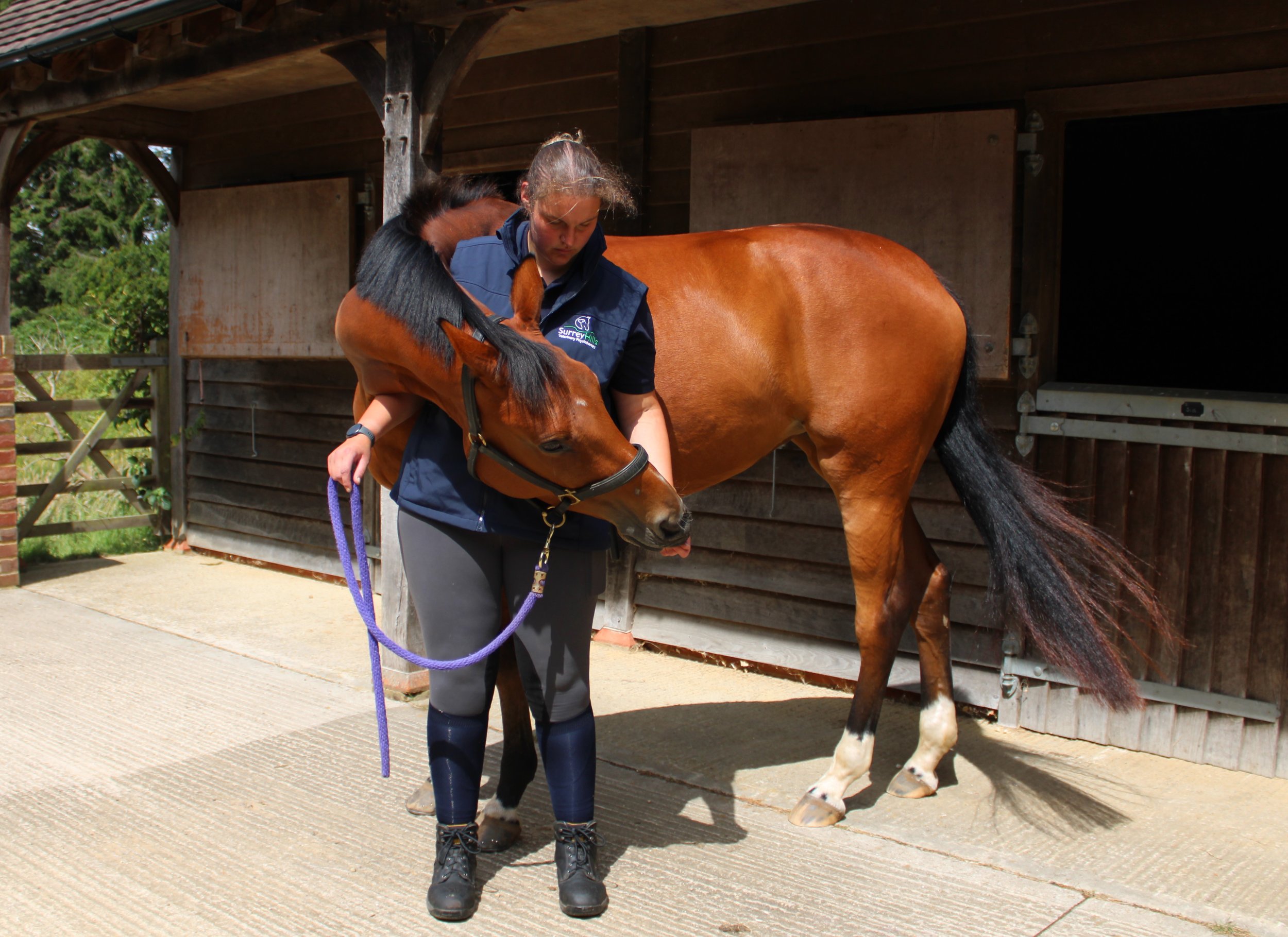
Remedial Exercise
Clients will be provided with demonstrations of specific exercises that are to be completed between sessions to help optimise the animal’s treatment. Video tutorials will also be provided if needed.

Rehabilitation/Exercise Plans
Detailed rehabilitation plans can be formulated for animals recovering from injury or surgery, and training plans can be formulated for animals with an increased workload, or for owners bringing their horses back into work.